Friday night, two options: another round, or the thing you actually love doing. A new study tried to measure how hard that second option pulls against the first. It also asked whether it matters which hobby sits on the other side of the scale.
I care about this for a practical reason. "Find something else to do" is the most common advice around drinking, and it's usually vague. This paper gets a bit more specific.
The starting idea comes from behavioral economics. At any moment, drinking is one choice among several. Make the other options more attractive, or make alcohol more expensive, and demand for alcohol should shift. Researchers map that shift as a demand curve: how much of something people want as its price goes up.
What they did
The team recruited adults online through Prolific, a platform where researchers pay people to complete studies. The abstract doesn't say how many took part or who they were. I'll come back to why that matters.
Each participant went through several steps:
- Ranked their own activities and hobbies from most to least preferred
- Did an alcohol purchase task, a hypothetical exercise where you say how many drinks you'd buy as the price climbs
- Rated how suitable and rewarding various alcohol-related activities felt
- Completed three cross-commodity tasks
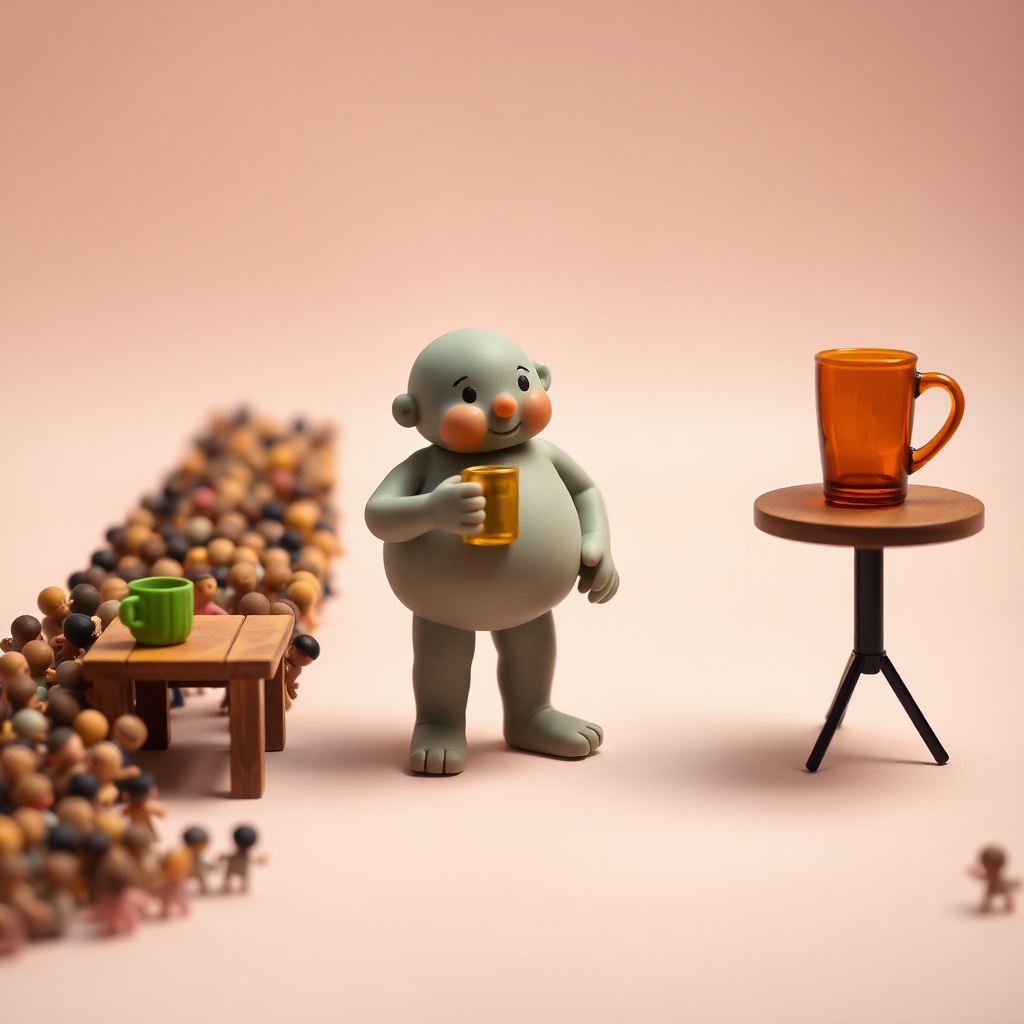
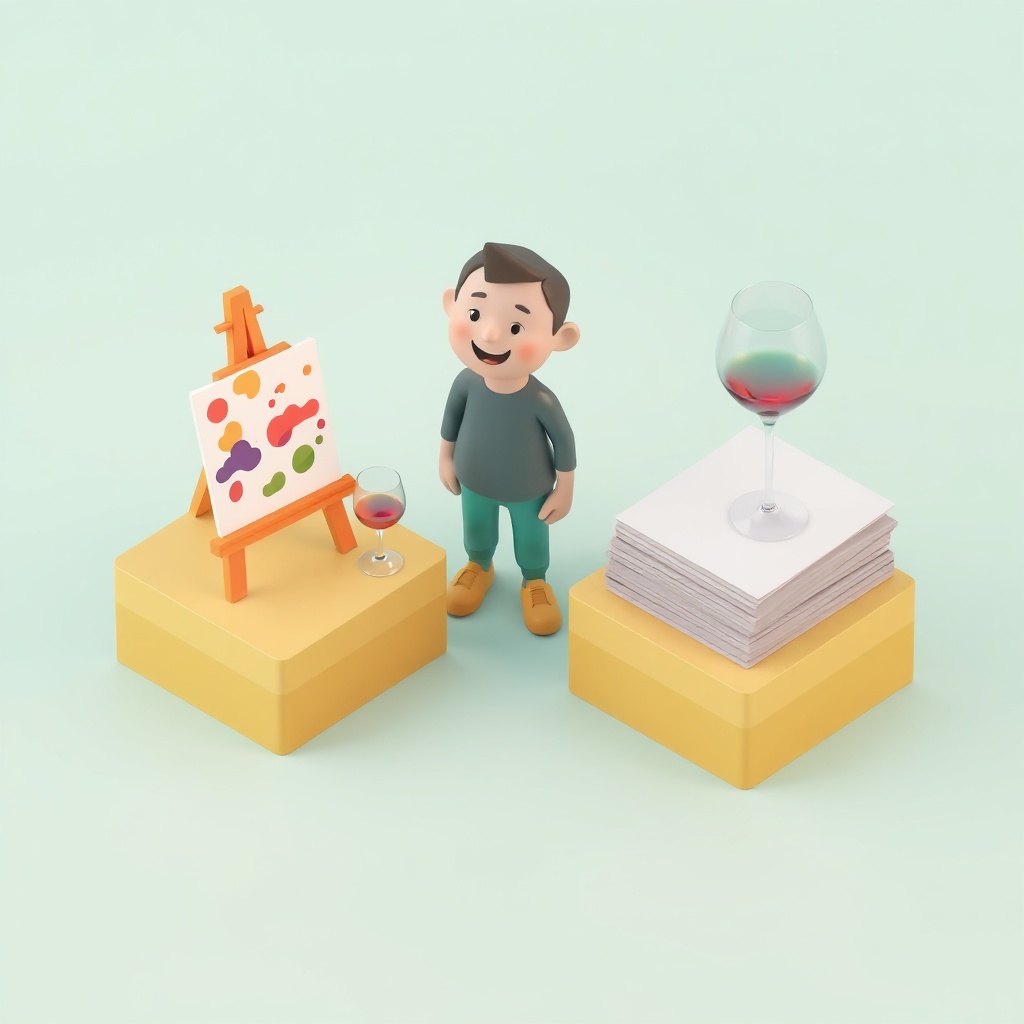
Those cross-commodity tasks are the core of the study. Alcohol kept getting pricier, while one alternative activity stayed available at a fixed low cost. In one version it was the participant's top-ranked activity. In another, their second favorite. In the third, the one they liked least.
So every person faced the same rising alcohol price three times, each time with a differently appealing alternative next to it.
What they found
Three results stood out:
- Swapping. The activity's rank didn't change how well it worked as a substitute for alcohol. Top of the list or bottom, people moved toward it in a similar way as drinks got more expensive.
- Suppression. Demand for alcohol dropped more when the alternative was high on someone's list.
- Uptake. People said they'd do the most of an activity they strongly preferred.
On paper, the first two results contradict each other. Here's how I read them, with a caveat: I'm working from the abstract and haven't seen the curves. The swap rate stayed about the same. What changed was the baseline. A favorite activity seemed to lower the whole level of alcohol demand. A beloved hobby didn't make people trade more eagerly as prices rose. It made them want less alcohol to begin with.
What it means
The takeaway I keep coming back to: alternatives aren't interchangeable. An activity you feel lukewarm about still counts as an option, but it barely competes. One you really enjoy changes the whole picture.
Written down, that sounds obvious. It's still rarely how the "do something else" advice gets given. People are told to try a sober hobby, any sober hobby, as if the label were the point. This study suggests the preference does the work.
It lines up with a real-world finding I wrote about earlier, where alcohol-free activities tracked with less heavy drinking after treatment. Different population, different design, same direction. It also fits a broader point about how the options around you shape the choice more than willpower does.
Now the limits. Everything here is hypothetical. People answered questions about imaginary prices and imaginary evenings, so this is about stated preferences, not what anyone did on an actual Friday. And without the sample size or who took part, there's no way to tell whose behavior these numbers describe.
Still, the gap points at something I notice in my own evenings. The favorite alternative usually loses because it feels far away. The drink is right here. The morning run, the rehearsal, the project you've been itching to get back to all live in tomorrow, and tomorrow is abstract at 10 pm.
That's where I see AlcoBalance fitting in. When you can see, mid-evening, when you'd sober up if you stopped now versus after two more, the thing you'd rather be doing tomorrow stops being vague. It becomes a real option you can weigh against the next round while you're still steering the night.
The authors end on the question I find most interesting: what exactly makes an activity rewarding enough to compete with a drink? They call for more work on the reinforcing parts of alternative activities. I'd add a smaller question you can test on yourself. Of the things on your list, which one would actually win?
Source: Experimental and Clinical Psychopharmacology, DOI